Neuro & Rehabilitation Physiotherapy · Thane
Dr. Shraddha Krishnamoorthy (PT) — MPTh (Neurological Conditions), FCRPT, COMT. Master's-trained neuro physiotherapist providing evidence-based, patient-centered rehabilitation for stroke, spinal cord injury, Parkinson's disease and cerebral palsy — at your clinic, in the comfort of your home, or via live tele-rehab video consultation.
Tele-Rehab sessions also available →


About Dr. Shraddha
Dedicated Neuro Physiotherapist who has treated over 1000 patients across a wide range of neurological, orthopedic, geriatric and pediatric conditions — including stroke, spinal cord injury, Parkinson's disease, and cerebral palsy. Holds a Master's degree in Neurological Physiotherapy and a Fellowship in Rehabilitation from AIIPMR, Mahalaxmi.
Adept in delivering evidence-based, patient-centered care across private homes and clinical settings, working collaboratively within multidisciplinary teams to drive positive functional outcomes and empower patients through holistic, movement-based therapy.
What I Treat
Specialized, one-on-one rehabilitation for neurological and musculoskeletal conditions — tailored to each patient's stage of recovery.
Motor re-training, balance and gait rehabilitation for post-stroke recovery, using evidence-based neuro-developmental techniques.
Comprehensive SCI rehabilitation including wheelchair training and mobility independence coaching.
Movement-based therapy to manage rigidity, balance and gait challenges associated with Parkinson's.
End-to-end pediatric neuro rehab — from assessment to supervised, family-involved therapy protocols.
Full physiotherapy sessions delivered at home across Thane, for patients who can't easily travel to a clinic.
COMT-certified manual therapy for musculoskeletal pain, joint mobility and post-injury recovery.
Soft-tissue mobilization and therapeutic taping to relieve pain and support joint and muscle function.
Certified Pilates and functional fitness techniques integrated into rehab for core strength and flexibility.
Patient Resources
Learn about 100+ common conditions physiotherapy treats — symptoms, do's and don'ts, and when to see a doctor. Understand your recovery journey with the right information.
A stroke happens when blood flow to part of the brain is interrupted, which can affect movement, speech, or sensation. Physiotherapy helps retrain the brain and body to regain independence over time.
When to see a physiotherapist: Seek immediate medical care for sudden weakness, slurred speech, or facial drooping, and consult a physiotherapist early to guide safe recovery.
View Full Guide →Parkinson's disease is a progressive condition affecting movement control, causing tremors, stiffness, and slower movements. Physiotherapy helps maintain mobility, balance, and confidence in daily activities.
When to see a physiotherapist: Consult a physiotherapist if you notice increasing falls, freezing while walking, or worsening stiffness affecting daily tasks.
View Full Guide →A spinal cord injury affects the signals between the brain and body, which can impact movement and sensation below the injury level. Physiotherapy helps maximize function and independence.
When to see a physiotherapist: Seek prompt medical attention for new numbness, worsening weakness, or skin breakdown, and involve a physiotherapist early in rehabilitation.
View Full Guide →Cerebral palsy is a lifelong condition affecting movement and posture due to early brain development differences. Physiotherapy supports mobility, function, and quality of life at every age.
When to see a physiotherapist: Consult a physiotherapist early if you notice delayed milestones or unusual muscle tone, as early support improves long-term outcomes.
View Full Guide →Multiple sclerosis is a condition where the immune system affects nerve coverings, leading to varied symptoms that can come and go. Physiotherapy helps manage fatigue, strength, and mobility.
When to see a physiotherapist: See your neurologist and a physiotherapist if you notice new or worsening symptoms, especially during a relapse.
View Full Guide →Peripheral neuropathy involves damage to nerves outside the brain and spinal cord, often causing numbness, tingling, or weakness in hands and feet. Physiotherapy helps improve balance and function.
When to see a physiotherapist: See a doctor promptly if numbness spreads quickly, you notice unhealing wounds, or balance worsens.
View Full Guide →Bell's palsy causes sudden weakness or drooping on one side of the face due to temporary nerve inflammation. Most people recover well, and physiotherapy supports facial muscle recovery.
When to see a physiotherapist: Seek urgent medical evaluation for sudden facial weakness to rule out stroke, then follow up with physiotherapy for recovery.
View Full Guide →Guillain-Barré syndrome is a rare condition where the immune system affects peripheral nerves, causing rapidly progressing weakness. Physiotherapy plays a key role in recovery once medically stable.
When to see a physiotherapist: Seek emergency care immediately for rapidly spreading weakness or breathing difficulty, as GBS requires urgent medical management.
View Full Guide →A traumatic brain injury results from a blow or jolt to the head that disrupts brain function, ranging from mild to severe. Physiotherapy supports recovery of movement, balance, and daily function.
When to see a physiotherapist: Seek emergency care for worsening headache, repeated vomiting, confusion, or loss of consciousness after a head injury.
View Full Guide →Vertigo and balance disorders cause a sense of spinning or unsteadiness, often linked to the inner ear or nervous system. Physiotherapy, including specific balance techniques, can significantly reduce symptoms.
When to see a physiotherapist: See a doctor promptly if vertigo is accompanied by severe headache, double vision, slurred speech, or limb weakness.
View Full Guide →Low back pain is discomfort or stiffness in the lower spine caused by muscle strain, poor posture, or joint stress; physiotherapy helps relieve pain, restore movement, and prevent it from returning.
When to see a physiotherapist: See a physiotherapist if pain lasts more than a few days, worsens, or comes with numbness or leg weakness.
View Full Guide →Neck pain and cervical spondylosis involve stiffness or wear-related changes in the neck's spine, often from prolonged screen use or poor posture; physiotherapy helps ease pain and improve neck mobility.
When to see a physiotherapist: Seek assessment if neck pain is accompanied by arm weakness, numbness, or persists beyond two weeks.
View Full Guide →Frozen shoulder is a gradual stiffening and painful restriction of shoulder movement that develops over time; physiotherapy plays a key role in restoring range of motion and reducing discomfort.
When to see a physiotherapist: Consult a physiotherapist early if shoulder stiffness limits daily activities like dressing or reaching, as early care helps recovery.
View Full Guide →Knee osteoarthritis is gradual wear of the knee joint cartilage causing pain and stiffness, especially with age; physiotherapy helps strengthen supporting muscles and keep the knee mobile.
When to see a physiotherapist: See a physiotherapist if knee pain limits daily activities, causes swelling, or does not ease with rest.
View Full Guide →Sciatica is pain that travels along the sciatic nerve from the lower back down the leg, usually due to nerve irritation or compression; physiotherapy helps relieve pressure and restore comfortable movement.
When to see a physiotherapist: Seek prompt assessment if you notice leg weakness, numbness, or loss of bladder/bowel control.
View Full Guide →A slipped disc occurs when the soft cushion between spinal bones bulges or presses on nearby nerves, causing back and sometimes leg pain; physiotherapy helps manage symptoms and support recovery.
When to see a physiotherapist: Seek urgent medical attention if you experience leg weakness, numbness, or bladder/bowel changes.
View Full Guide →Rotator cuff injuries involve strain or tears in the shoulder muscles and tendons that stabilise the joint, often from overuse or injury; physiotherapy helps restore strength and shoulder function.
When to see a physiotherapist: Consult a physiotherapist if shoulder weakness or pain persists beyond a week or limits daily tasks.
View Full Guide →Tennis elbow and golfer's elbow are overuse injuries causing pain at the outer or inner elbow from repetitive gripping or wrist movements; physiotherapy helps reduce pain and rebuild strength.
When to see a physiotherapist: See a physiotherapist if elbow pain persists beyond two weeks or affects grip and daily tasks.
View Full Guide →Plantar fasciitis is inflammation of the tissue band along the sole of the foot, causing heel pain especially with first steps; physiotherapy helps relieve pain and improve foot mechanics.
When to see a physiotherapist: Consult a physiotherapist if heel pain persists beyond two to three weeks despite rest and supportive footwear.
View Full Guide →An ankle sprain is a stretch or tear of the ligaments around the ankle, usually from a sudden twist or fall; physiotherapy helps restore stability, strength, and confidence in movement.
When to see a physiotherapist: Seek assessment if you cannot bear weight, swelling is severe, or the ankle feels unstable after the injury.
View Full Guide →The ACL is a key knee ligament that keeps the joint stable; it can tear during sports with sudden twists or stops. Physiotherapy helps rebuild strength and stability before and after surgery.
When to see a physiotherapist: See a doctor immediately if you feel or hear a pop, have severe swelling, or cannot bear weight on the knee.
View Full Guide →After a fracture heals, the muscles and joints around it often become stiff and weak. Physiotherapy helps safely restore movement, strength and everyday function.
When to see a physiotherapist: Seek medical attention if you notice increasing pain, new swelling, or the limb feels unstable during recovery.
View Full Guide →Knee or hip replacement surgery relieves joint pain, and structured physiotherapy afterward is essential to regain strength, mobility and confidence in walking.
When to see a physiotherapist: Contact your doctor promptly if the joint becomes red, warm, increasingly painful, or you develop fever.
View Full Guide →Carpal tunnel syndrome occurs when a wrist nerve gets compressed, causing hand numbness and pain. Physiotherapy can ease symptoms and improve hand function.
When to see a physiotherapist: See a doctor if numbness persists, worsens, or you notice muscle wasting at the base of the thumb.
View Full Guide →Scoliosis is a sideways curve of the spine, often noticed in growing children or teens. Physiotherapy can help improve posture and strength, and in many cases slow curve progression.
When to see a physiotherapist: Consult a doctor or physiotherapist if you notice spinal curvature, uneven shoulders, or back pain in a growing child.
View Full Guide →Developmental delay means a child is slower to reach milestones like sitting, walking or coordination. Early physiotherapy support can help build skills at the child's own pace.
When to see a physiotherapist: Consult a pediatrician or physiotherapist if your child is noticeably behind expected milestones for their age.
View Full Guide →Torticollis is when an infant's neck muscle is tight on one side, causing the head to tilt or turn. Early physiotherapy is highly effective in correcting it.
When to see a physiotherapist: See a physiotherapist early if you notice a consistent head tilt, as prompt treatment gives the best results.
View Full Guide →Down syndrome often comes with lower muscle tone and delayed motor milestones. Physiotherapy supports children in building strength, balance and independence over time.
When to see a physiotherapist: Involve a physiotherapist soon after diagnosis to begin structured support for motor development.
View Full Guide →Muscular dystrophy is a genetic condition causing progressive muscle weakness. Physiotherapy helps maintain strength, mobility and quality of life for as long as possible.
When to see a physiotherapist: Consult a doctor promptly if you notice progressive weakness, frequent falls, or difficulty with everyday movements.
View Full Guide →Osteoporosis is a condition where bones become weak and fragile, increasing fracture risk. Physiotherapy helps improve bone-loading strength, balance and fall prevention.
When to see a physiotherapist: See a doctor if you experience a fall, sudden back pain, or notice height loss or posture changes.
View Full Guide →Falls are a major cause of injury in older adults, but many are preventable — physiotherapy improves balance, strength, and confidence to help seniors move safely.
When to see a physiotherapist: See a physiotherapist if you or a loved one has fallen recently, feels unsteady, or is afraid of falling.
View Full Guide →Long hours on phones and desks can strain the neck and back — physiotherapy helps correct posture, ease pain, and build habits that protect your spine.
When to see a physiotherapist: Consult a physiotherapist if neck or back pain persists beyond a few days or affects your daily activities.
View Full Guide →Long-lasting pain from conditions like arthritis or old injuries can affect daily life, but physiotherapy offers safe, non-drug ways to manage pain and stay active.
When to see a physiotherapist: See a physiotherapist if pain persists for weeks, limits your activities, or you're unsure how to stay active safely.
View Full Guide →High blood sugar over time can damage nerves, especially in the feet — physiotherapy helps protect sensation, improve balance, and reduce complications.
When to see a physiotherapist: Seek assessment promptly if you notice numbness, wounds that won't heal, or increasing difficulty with balance.
View Full Guide →Pregnancy and childbirth bring many physical changes — physiotherapy safely supports your body through this journey and helps you recover strength and confidence afterward.
When to see a physiotherapist: Consult a women's health physiotherapist for pelvic pain, leaking, or any concerns during pregnancy or after delivery.
View Full Guide →Excess weight and prolonged inactivity can weaken muscles and joints over time — physiotherapy offers a safe, gradual path back to strength and movement.
When to see a physiotherapist: See a physiotherapist for a tailored, safe activity plan, especially if joint pain or breathlessness limits movement.
View Full Guide →Sprains, strains, and sports injuries need proper rehabilitation to heal fully — physiotherapy guides safe recovery and helps prevent the injury from recurring.
When to see a physiotherapist: Get assessed promptly for any injury with significant swelling, inability to bear weight, or pain that doesn't improve within a few days.
View Full Guide →Adjusting to life after limb loss takes time and support — physiotherapy helps build strength, improve mobility, and adapt confidently to a prosthetic limb.
When to see a physiotherapist: See a physiotherapist for prosthetic fitting concerns, persistent pain, or difficulty walking safely.
View Full Guide →Repeated movements at work or on devices can strain muscles and tendons over time — physiotherapy helps relieve discomfort and prevent it from becoming chronic.
When to see a physiotherapist: Consult a physiotherapist if discomfort persists beyond a couple of weeks or interferes with work or daily tasks.
View Full Guide →Tight knots in muscles, called trigger points, can cause persistent local or referred pain — physiotherapy helps release tension and restore comfortable movement.
When to see a physiotherapist: See a physiotherapist if muscle pain persists, recurs frequently, or limits your range of motion.
View Full Guide →Ataxia is a condition where damage to the cerebellum affects coordination, balance, and control of voluntary movements. Physiotherapy focuses on improving balance, stability, and safe movement patterns to support daily function.
When to see a physiotherapist: See a doctor promptly if balance problems worsen suddenly or you experience frequent falls, and start physiotherapy early to build safer movement strategies.
View Full Guide →Dystonia causes involuntary muscle contractions that lead to twisting movements or abnormal postures. Physiotherapy helps manage muscle tightness, improve posture, and maintain function through targeted exercises and stretching.
When to see a physiotherapist: Consult a doctor if involuntary movements interfere with daily activities or worsen over time, and involve a physiotherapist to help manage muscle tone and posture.
View Full Guide →Post-concussion syndrome occurs when symptoms from a head injury persist for weeks or months after the initial trauma. Physiotherapy supports recovery by addressing dizziness, balance, and neck-related symptoms through gradual, guided rehabilitation.
When to see a physiotherapist: Seek medical attention if symptoms persist beyond two weeks, worsen, or include confusion or repeated vomiting, and see a physiotherapist for guided return to normal activity.
View Full Guide →Foot drop is difficulty lifting the front part of the foot, often caused by nerve or muscle problems, which can lead to tripping and an unsteady walk. Physiotherapy helps strengthen weak muscles, improve gait, and reduce fall risk.
When to see a physiotherapist: See a doctor if foot weakness appears suddenly or worsens, and consult a physiotherapist to identify the cause and begin a targeted strengthening program.
View Full Guide →Spasticity is abnormal muscle tightness or stiffness caused by nerve damage, often seen after stroke, spinal cord injury, or other neurological conditions. Physiotherapy helps reduce stiffness, improve flexibility, and maintain movement and comfort.
When to see a physiotherapist: Consult your doctor if spasticity suddenly worsens or causes significant pain, and work with a physiotherapist to manage stiffness and preserve movement.
View Full Guide →Myasthenia gravis is an autoimmune condition that causes muscle weakness that worsens with activity and improves with rest. Physiotherapy helps manage energy levels, maintain strength, and support safe daily function without triggering fatigue.
When to see a physiotherapist: Seek urgent care if you experience difficulty breathing or swallowing, and consult a physiotherapist to design a safe, fatigue-conscious exercise plan.
View Full Guide →Motor neuron disease, including ALS, gradually affects the nerves controlling muscles, leading to progressive weakness. Physiotherapy focuses on maintaining strength, mobility, and comfort for as long as possible while adapting care as needs change.
When to see a physiotherapist: Consult your neurologist regularly to monitor progression, and work with a physiotherapist to adapt exercise and mobility support as symptoms change.
View Full Guide →Epilepsy involves recurrent seizures that can affect how safely a person exercises or moves. Physiotherapy helps individuals stay active through safe, supervised exercise plans that reduce injury risk while supporting overall health.
When to see a physiotherapist: Seek medical attention if a seizure lasts longer than five minutes or is followed by another without recovery, and consult a physiotherapist to plan safe, structured exercise.
View Full Guide →Benign Paroxysmal Positional Vertigo (BPPV) causes brief episodes of spinning dizziness triggered by changes in head position. Physiotherapy uses specific repositioning maneuvers to move displaced inner ear crystals and relieve symptoms quickly.
When to see a physiotherapist: See a doctor if dizziness is accompanied by hearing loss, severe headache, or weakness, and consult a physiotherapist trained in vestibular rehabilitation for targeted treatment.
View Full Guide →Tremor is an involuntary, rhythmic shaking that can affect the hands, arms, or other body parts, making daily tasks difficult. Physiotherapy helps improve stability, coordination, and functional movement to reduce the impact of tremors on daily life.
When to see a physiotherapist: Consult a doctor if a tremor appears suddenly, worsens quickly, or interferes with daily activities, and see a physiotherapist for strategies to improve function.
View Full Guide →Hip osteoarthritis happens when the cartilage cushioning the hip joint wears down over time, causing stiffness and pain that can affect walking and daily movement. Physiotherapy helps reduce pain, improve joint mobility, and strengthen the muscles that support the hip.
When to see a physiotherapist: See a doctor if hip pain limits walking, disturbs sleep, or does not improve with rest, and consult a physiotherapist for a tailored strengthening plan.
View Full Guide →The meniscus is a cushion of cartilage in the knee that can tear from twisting injuries or gradual wear. Physiotherapy helps restore knee stability, strength, and movement so you can return to daily activities safely.
When to see a physiotherapist: Consult a doctor if the knee locks, gives way, or swells significantly, and see a physiotherapist to guide safe rehabilitation.
View Full Guide →Shoulder impingement occurs when tendons in the shoulder get pinched during overhead movement, causing pain and reduced strength. Physiotherapy helps relieve pressure on the tendons and restores pain-free shoulder movement.
When to see a physiotherapist: See a doctor if shoulder pain persists beyond two weeks or limits daily activities, and consult a physiotherapist for a movement-based recovery plan.
View Full Guide →Thoracic outlet syndrome happens when nerves or blood vessels between the collarbone and first rib become compressed, causing pain, tingling, or weakness in the arm. Physiotherapy helps release tightness and restore normal nerve and blood flow to the arm.
When to see a physiotherapist: Seek medical advice if the arm becomes pale, cold, or severely weak, and consult a physiotherapist early for nerve and posture-related symptoms.
View Full Guide →Whiplash happens when the neck is suddenly jerked back and forth, often during a vehicle collision, straining muscles and ligaments. Physiotherapy helps reduce neck stiffness and pain while restoring normal movement.
When to see a physiotherapist: Seek medical care if you have severe neck pain, arm weakness, or dizziness after an injury, and consult a physiotherapist to guide safe movement recovery.
View Full Guide →A cervical disc herniation occurs when the soft cushion between neck vertebrae bulges and presses on nearby nerves, causing neck and arm symptoms. Physiotherapy helps relieve nerve pressure and restore comfortable neck movement.
When to see a physiotherapist: See a doctor promptly if arm weakness, numbness, or loss of coordination develops, and consult a physiotherapist for early, guided management.
View Full Guide →A hamstring strain is a tear or overstretch of the muscles at the back of the thigh, common in sports involving sprinting or sudden movements. Physiotherapy helps the muscle heal properly and regain strength to prevent re-injury.
When to see a physiotherapist: Consult a doctor if you cannot bear weight or hear a pop at the time of injury, and see a physiotherapist to guide a safe return to activity.
View Full Guide →Shin splints cause pain along the shinbone from repetitive stress, often seen in runners or those who suddenly increase activity. Physiotherapy helps reduce inflammation and correct movement patterns that overload the shin.
When to see a physiotherapist: See a doctor if shin pain is severe, localized to one spot, or does not improve with rest, as this may need imaging to rule out a stress fracture.
View Full Guide →Patellofemoral pain syndrome causes pain around or behind the kneecap, often from overuse, muscle imbalance, or poor movement patterns. Physiotherapy helps correct alignment and strengthen the muscles that support the knee.
When to see a physiotherapist: Consult a doctor if knee pain persists despite rest or if swelling develops, and see a physiotherapist for a personalized strengthening plan.
View Full Guide →Trochanteric bursitis is inflammation of the fluid-filled sac at the outer hip, causing pain over the hip bone that can spread down the thigh. Physiotherapy helps reduce inflammation and correct movement habits that irritate the area.
When to see a physiotherapist: See a doctor if hip pain is severe, affects sleep, or does not improve with rest, and consult a physiotherapist for targeted treatment.
View Full Guide →Trigger finger happens when a tendon in the finger becomes inflamed and catches as it moves, causing the finger to lock or snap when bending. Physiotherapy helps reduce inflammation and restore smooth finger movement.
When to see a physiotherapist: See a doctor if the finger locks completely or is very painful, and consult a physiotherapist for hand therapy and splinting guidance.
View Full Guide →De Quervain's tenosynovitis is inflammation of the tendons on the thumb side of the wrist, often caused by repetitive gripping or lifting. Physiotherapy helps calm inflammation and restore pain-free wrist and thumb movement.
When to see a physiotherapist: Consult a doctor if wrist pain is persistent or worsening, and see a physiotherapist for splinting and exercise guidance.
View Full Guide →Ankylosing spondylitis is a long-term inflammatory condition that affects the spine, causing stiffness and pain that can gradually reduce flexibility. Physiotherapy helps maintain spinal mobility and posture, slowing the impact on daily life.
When to see a physiotherapist: See a doctor if back stiffness lasts more than three months or worsens with rest, and consult a physiotherapist for a long-term mobility plan.
View Full Guide →Temporomandibular joint (TMJ) pain affects the jaw joint and surrounding muscles, often causing pain while chewing, talking, or opening the mouth. Physiotherapy helps relax jaw muscles and restore comfortable jaw movement.
When to see a physiotherapist: See a doctor or dentist if the jaw locks, pain is severe, or it does not improve with self-care, and consult a physiotherapist for jaw exercises.
View Full Guide →Iliotibial (IT) band syndrome causes pain on the outer side of the knee from friction of the IT band, common in runners and cyclists. Physiotherapy helps release tightness and correct movement patterns that cause the irritation.
When to see a physiotherapist: Consult a doctor if knee pain persists despite rest, and see a physiotherapist for gait analysis and a targeted strengthening plan.
View Full Guide →Sitting for long hours at a poorly set-up desk puts strain on your neck, shoulders, and lower back. Physiotherapy guidance on chair height, screen position, and posture habits can prevent chronic pain before it starts.
When to see a physiotherapist: If neck, back, or wrist pain persists beyond a couple of weeks or starts limiting your daily work, consult a physiotherapist for a proper posture and workstation assessment.
View Full Guide →Carrying excess weight adds pressure on joints and can make movement uncomfortable, which often discourages exercise altogether. Physiotherapy offers safe, structured movement plans that support weight loss without injury.
When to see a physiotherapist: Consult a physiotherapist before starting an exercise program if you have joint pain, breathlessness, or existing health conditions, so your plan is safe and effective.
View Full Guide →Muscles that stay tight from long hours of sitting or repetitive movement can lead to stiffness and reduced flexibility over time. A few minutes of daily stretching keeps muscles supple and lowers the risk of injury.
When to see a physiotherapist: If stiffness or tightness doesn't ease with regular stretching, or is accompanied by pain, swelling, or weakness, consult a physiotherapist for an evaluation.
View Full Guide →Sitting cramped in a car, train, or flight for hours can leave the back, neck, and legs stiff and sore. Simple physiotherapy techniques help the body recover quickly after long journeys.
When to see a physiotherapist: See a doctor promptly if you notice calf swelling, redness, or pain after travel, as this can indicate a blood clot; consult a physiotherapist for lingering stiffness or back pain.
View Full Guide →Working from makeshift setups like a bed, sofa, or dining table often lacks proper back and neck support, leading to gradual aches. Physiotherapy-guided home workstation habits help protect your body during remote work.
When to see a physiotherapist: If home-working posture leads to ongoing pain or stiffness that doesn't improve with adjustments, consult a physiotherapist for a personalized ergonomic assessment.
View Full Guide →Long hours of sitting at a desk weakens the core and puts continuous load on the lower back, often leading to chronic discomfort. Physiotherapy combines posture correction and targeted exercises to relieve and prevent this pain.
When to see a physiotherapist: If back pain persists beyond two weeks, radiates to the legs, or affects daily activities, consult a physiotherapist for assessment and a tailored treatment plan.
View Full Guide →An unsupportive mattress or awkward sleeping position can strain the neck and spine overnight, leading to morning stiffness and pain. Physiotherapy advice on sleep posture and pillow support helps your body rest properly.
When to see a physiotherapist: If you regularly wake up with neck or back pain, numbness, or stiffness that doesn't ease during the day, consult a physiotherapist to assess your sleep posture and spine health.
View Full Guide →Ongoing stress often causes muscles, especially around the neck, shoulders, and jaw, to stay tense without you realizing it. Physiotherapy techniques like manual therapy and relaxation exercises help release this built-up tension.
When to see a physiotherapist: If muscle tension leads to persistent headaches, restricted movement, or pain that doesn't ease with rest, consult a physiotherapist for targeted relief techniques.
View Full Guide →Building strength and mobility before a planned surgery can make recovery faster and smoother afterward. Prehabilitation physiotherapy prepares your muscles and joints so your body handles the surgery and healing better.
When to see a physiotherapist: Consult your surgeon and a physiotherapist as soon as surgery is planned, so a safe prehabilitation program can begin well before your procedure date.
View Full Guide →Running places repetitive stress on the feet, knees, and hips, which can lead to overuse injuries if form or training load isn't managed well. Physiotherapy helps runners build strength, correct technique, and recover from strain.
When to see a physiotherapist: If running-related pain persists for more than a few days, worsens with activity, or affects your gait, consult a physiotherapist for a running assessment and recovery plan.
View Full Guide →Repetitive overhead strokes in swimming can overload the shoulders and place strain on the neck and lower back if technique or conditioning is off. Physiotherapy helps swimmers build shoulder stability and swim injury-free.
When to see a physiotherapist: If shoulder or neck pain continues despite rest and technique adjustments, or restricts your training, consult a physiotherapist for a swim-specific evaluation.
View Full Guide →Cricket involves bursts of bowling, batting, and fielding that can strain the back, shoulders, and knees, especially with repetitive bowling action. Physiotherapy helps players build the strength and technique needed to play safely.
When to see a physiotherapist: If pain in the back, shoulder, or knee persists during the season or affects your performance, consult a physiotherapist for a sports-specific assessment and rehabilitation plan.
View Full Guide →Walking is one of the simplest, low-impact ways to keep joints mobile, muscles strong, and the heart healthy at any age. Physiotherapists often recommend it as a safe starting point for building overall fitness.
When to see a physiotherapist: If walking causes joint pain, breathlessness, or discomfort that doesn't improve with rest, consult a physiotherapist to check for underlying issues before continuing.
View Full Guide →A weak core forces the lower back to take on extra load during everyday movements, which can lead to recurring back pain. Physiotherapy-guided core exercises build the support your spine needs to stay pain-free.
When to see a physiotherapist: If back pain continues despite regular core exercises, or worsens with activity, consult a physiotherapist for a proper assessment and personalized program.
View Full Guide →Long hours of driving in a fixed position can strain the neck, shoulders, and lower back, especially with poor seat posture. Physiotherapy helps correct driving posture and relieve the resulting stiffness and pain.
When to see a physiotherapist: If driving-related pain persists, radiates to the legs, or is accompanied by numbness, consult a physiotherapist for a posture assessment and relief plan.
View Full Guide →Flat feet are common in young children as the foot's arch develops, and most outgrow it naturally by age five or six. Physiotherapy helps in cases where flat feet cause pain, stiffness, or affect walking and running.
When to see a physiotherapist: See a doctor or physiotherapist if flat feet come with pain, stiffness, frequent tripping, or if the arch hasn't developed by age seven.
View Full Guide →Many toddlers walk on their toes while learning to walk, and it usually fades on its own by age two or three. Physiotherapy helps when toe walking continues longer, as it can tighten calf muscles and affect balance.
When to see a physiotherapist: Consult a doctor if toe walking continues after age three, is only on one side, or comes with stiffness, delayed speech, or other developmental concerns.
View Full Guide →Most children take their first independent steps between twelve and eighteen months, but every child develops at their own pace. Physiotherapy can help identify the cause of a delay and build the strength and coordination needed to walk confidently.
When to see a physiotherapist: See a pediatrician or physiotherapist if your child isn't walking by eighteen months, or shows unusual stiffness, floppiness, or asymmetry in movement.
View Full Guide →In-toeing (pigeon toe) and out-toeing describe a child's feet pointing inward or outward while walking, and both are usually a normal part of growth. Physiotherapy helps when the gait causes tripping, discomfort, or doesn't improve with age.
When to see a physiotherapist: Consult a physiotherapist if the in-toeing or out-toeing causes frequent falls, pain, or hasn't improved by age seven to eight.
View Full Guide →Bow legs (genu varum) and knock knees (genu valgum) are common, normal stages in a growing child's leg development and usually straighten out on their own. Physiotherapy supports healthy alignment and strength when the curve is significant or doesn't correct with age.
When to see a physiotherapist: See a doctor if the curve is severe, one-sided, painful, or hasn't improved by age seven to eight.
View Full Guide →Juvenile idiopathic arthritis causes joint inflammation, pain, and stiffness in children, which can affect movement and daily play. Physiotherapy helps keep joints flexible, muscles strong, and children active despite flare-ups.
When to see a physiotherapist: Consult a doctor promptly if a joint is persistently swollen, warm, or painful, or if stiffness and limping continue for more than a few days.
View Full Guide →Children and teens involved in sports can experience sprains, strains, or overuse injuries as their bones and muscles are still growing. Physiotherapy helps them recover safely and return to play without risking further injury.
When to see a physiotherapist: See a doctor if there's significant swelling, inability to bear weight, deformity, or if pain doesn't improve within a few days of rest.
View Full Guide →Growing pains are a common ache felt in the legs of active children, usually in the evening or at night, and are not linked to actual bone growth. Physiotherapy can ease discomfort and rule out other causes when pain is frequent or intense.
When to see a physiotherapist: See a doctor if the pain is one-sided, involves a joint, causes limping, or is accompanied by fever, swelling, or fatigue.
View Full Guide →A brachial plexus birth injury happens when the nerves controlling the arm are stretched during a difficult delivery, leading to weakness or limited movement in the arm. Physiotherapy started early gives the best chance of regaining strength and function.
When to see a physiotherapist: Consult a doctor or physiotherapist as soon as reduced arm movement is noticed after birth, since early treatment greatly improves recovery.
View Full Guide →Clubfoot is a condition present at birth where a baby's foot turns inward and downward, making it stiff to move. Physiotherapy works alongside casting or bracing treatment to maintain flexibility and support normal walking development.
When to see a physiotherapist: See a doctor promptly if the brace or cast causes skin irritation, swelling, or if the foot appears to be reverting to its original position.
View Full Guide →As we age, muscles naturally lose strength and mass, a process called sarcopenia. This can make everyday tasks like standing up, climbing stairs, or carrying groceries harder. Physiotherapy uses targeted strength exercises to slow this decline and keep seniors independent.
When to see a physiotherapist: See a doctor or physiotherapist if you notice rapid muscle loss, frequent falls, or growing difficulty with daily tasks like walking or climbing stairs.
View Full Guide →Arthritis causes joint pain, stiffness, and swelling that can worsen with age, making movement uncomfortable. Physiotherapy helps manage pain, improve joint flexibility, and keep seniors moving comfortably in daily life.
When to see a physiotherapist: Consult a doctor if joint pain is severe, joints appear swollen or red, or stiffness significantly limits daily activities.
View Full Guide →Using a walker or cane correctly can prevent falls and restore confidence in walking after illness, surgery, or age-related weakness. Physiotherapy teaches seniors how to choose the right aid and use it safely for everyday movement.
When to see a physiotherapist: See a physiotherapist if walking feels unsteady even with an aid, or if you have fallen while using a cane or walker.
View Full Guide →Extended bed rest or hospitalization can cause elderly patients to lose strength, stamina, and balance quickly, a condition called deconditioning. Physiotherapy helps rebuild strength gradually so seniors can safely return to their normal routine.
When to see a physiotherapist: Contact a doctor if weakness persists beyond a few weeks after discharge, or if there is dizziness, chest discomfort, or falls during recovery.
View Full Guide →Dementia can affect coordination, balance, and the ability to follow movement instructions, increasing the risk of falls and reduced mobility. Physiotherapy uses simple, repetitive, and guided exercises to help maintain safe movement and independence for as long as possible.
When to see a physiotherapist: Consult a doctor or physiotherapist if mobility declines suddenly, falls become frequent, or the person resists all movement and becomes withdrawn.
View Full Guide →Dizziness and imbalance in older adults are often linked to inner ear or vestibular system changes. Physiotherapy uses specific head and eye movement exercises to retrain balance and reduce dizziness episodes.
When to see a physiotherapist: See a doctor promptly if dizziness is severe, sudden, or accompanied by chest pain, vision changes, or slurred speech.
View Full Guide →Hip pain in older adults is often caused by arthritis, muscle weakness, or wear and tear over the years, affecting walking and daily comfort. Physiotherapy strengthens surrounding muscles and improves hip mobility to reduce pain and support independence.
When to see a physiotherapist: See a doctor if hip pain is severe, follows a fall, or is accompanied by swelling, inability to bear weight, or visible deformity.
View Full Guide →Spinal stenosis is a narrowing of the spinal canal that puts pressure on nerves, common in older adults and causing pain or numbness in the back and legs. Physiotherapy relieves pressure through posture correction and targeted exercises that improve mobility.
When to see a physiotherapist: Seek medical attention if there is loss of bladder or bowel control, worsening leg weakness, or numbness that spreads or intensifies.
View Full Guide →Reduced lung function, prolonged bed rest, or respiratory illness can make breathing harder for elderly patients and lead to chest infections. Chest physiotherapy uses breathing exercises and airway clearance techniques to improve lung capacity and prevent complications.
When to see a physiotherapist: Seek urgent medical care for sudden severe breathlessness, chest pain, high fever with cough, or bluish discoloration of lips or fingertips.
View Full Guide →As strength and coordination decline with age, everyday tasks like bathing, dressing, and cooking can become challenging for seniors. Physiotherapy focuses on functional training to help older adults perform daily activities safely and independently.
When to see a physiotherapist: Consult a physiotherapist if daily tasks become consistently difficult, independence declines rapidly, or safety at home becomes a concern.
View Full Guide →No results found. Try a different search term.
This information is for general education only and is not a substitute for individual diagnosis or treatment. Please consult Dr. Shraddha directly for advice specific to your condition.
My Approach
Every recovery journey is different. Sessions begin with a detailed assessment, followed by a personalized protocol that's reviewed and adapted as you progress — with clear communication at every step, for both patients and families.
Detailed clinical evaluation of function, mobility and goals.
A treatment plan tailored to your condition, stage and lifestyle.
Hands-on sessions at home, clinic, or via tele-rehab video call, with continuous progress tracking.
Education and home-exercise guidance so progress continues between sessions.
"Patient care should encompass not only physical healing but also emotional support and empowerment."
— Dr. Shraddha KrishnamoorthyEducation & Certifications
In Practice
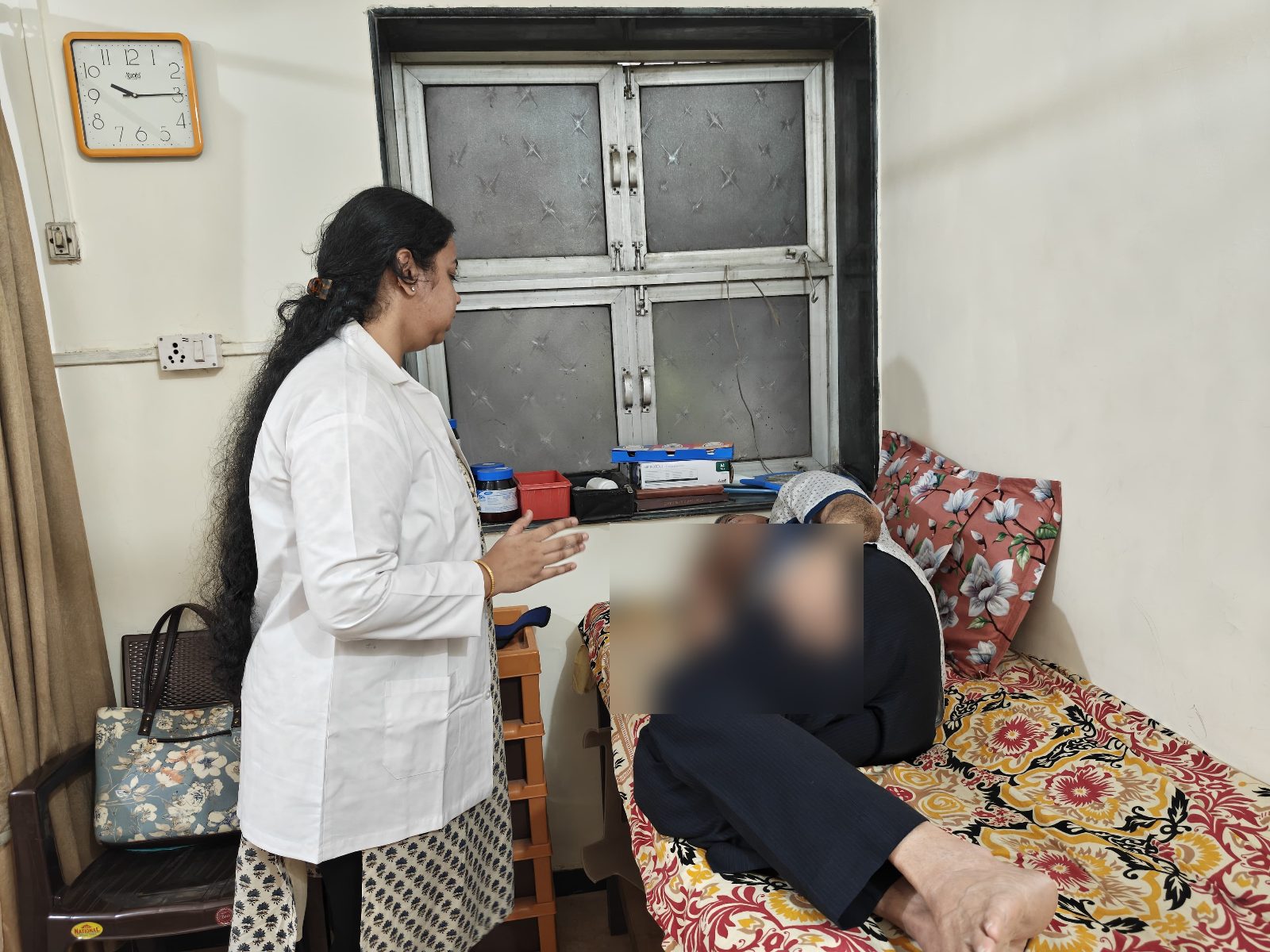
A glimpse into real sessions — home visits, hospital-based rehabilitation and pediatric therapy. Patient faces are blurred to protect their privacy.



Local Coverage
Home-visit and clinic physiotherapy across Thane's key residential and commercial neighbourhoods. Pick your area to see how we support patients there.
In the words of patients and families Dr. Shraddha has treated — shared with their consent.
Patient testimonials are being added here soon. If you'd like to share yours, we'd be grateful — send it via WhatsApp.
No matches found. Try a different search term.
Get In Touch
Fill in the form and it'll open a pre-filled WhatsApp message straight to Dr. Shraddha — or reach out directly using the details below.
Home visits, clinic consultations & tele-rehab across Thane
Master's in Neurological Physiotherapy · Fellowship in Rehabilitation from AIIPMR · Certified in Orthopaedic Manual Therapy